

Philippine Senate to Conduct Review into Impact of Online Gaming

The Philippine Senate has decided it’s time to take a closer look at online gaming. In recent months, lawmakers have watched the industry grow at a pace few expected, fueled by smartphones, faster internet, and the convenience of digital payments. For many, that growth has been welcome, it’s created jobs and added billions to government coffers. But it’s also raised questions that can’t be ignored forever. Who’s playing, how much money is flowing through the system, and what kind of protections are in place if something goes wrong? Those are the issues now on the table.

Why the Senate Wants a Closer Look

Online gaming isn’t brand new in the Philippines, but the speed of its expansion has caught a lot of attention. Senators are hearing more about its impact on young people, the ease of access through digital wallets, and the potential for players to spend more than they can afford. That mix of positives and concerns is what’s driving the review.

Some of the proposals being floated are fairly straightforward. One would raise the legal gambling age from 18 to 21. Another would put caps on betting losses. There are also talks about limiting the use of e-wallets for gambling payments, since they’ve made it possible for people to play almost instantly. Supporters of these changes argue they’re not meant to discourage gaming altogether, but to keep it within safe limits.

Senator JV Ejercito has been among the more vocal advocates for a review. He’s called for a formal probe into just how quickly online gambling has spread, saying it makes more sense to act now rather than scramble later if the trend gets out of hand.

What It Could Mean for the Industry

For companies operating in the sector, the Senate’s review is both a challenge and an opportunity. On one hand, they may have to adjust to stricter rules. On the other hand, a clearer legal framework could actually strengthen their position. Players often feel more comfortable when they know platforms are being closely watched, and that sense of trust can be good for business.

Technology will play a major role here. Stronger ID checks, tools that let people set spending limits, and self-exclusion options are all being talked about. Features like these aren’t just compliance tools anymore, they can also help operators stand out in a crowded market. It’s not hard to imagine players choosing sites that feel safer and more transparent over those that don’t.

The Balancing Act

Money, of course, is also part of the picture. Online gaming provides billions of pesos in revenue each year, money that goes directly into public services. The Philippine Senate knows it can’t ignore that fact. If regulations are too heavy-handed, players might simply move to offshore sites where there’s little oversight and the government doesn’t see a single peso of tax.

That exact problem happened before. The rise of POGOs, or Philippine Offshore Gaming Operators, created controversy that eventually forced lawmakers to step in. Allegations of crime and broader reputational issues led to an outright ban. The lesson was clear: if the sector is going to grow, it needs to do so under rules that maintain integrity and protect the country’s image.

What Happens Next

The Senate review will bring together a range of voices. Regulators like PAGCOR will be part of the discussion, as will operators and even health experts who study addiction and public welfare. That mix is important because it keeps the debate grounded in both economic reality and social responsibility.

For the industry, this moment shouldn’t be seen as a threat. It’s a chance to prove that online gaming can exist responsibly and sustainably. Companies that adapt early, by putting strong safeguards in place, could find themselves ahead of the curve once new rules are finalized. Players stand to benefit as well, enjoying a safer environment that still allows them the freedom to play.

Conclusion

At this stage, the hearings are just getting underway, so no final decisions have been made. What’s clear is that the Philippine Senate wants to set the tone for how the country manages online gaming moving forward. The industry isn’t disappearing, and the potential benefits are too significant to dismiss. The real challenge is finding rules that protect players without pushing them to offshore sites, and that keep revenues flowing while promoting fair play.

For players, it could mean a safer and more transparent experience. For operators, it’s both a test and a chance to show they can adapt. And for the country as a whole, it’s an opportunity to strike a balance between economic opportunity and social responsibility.
Dedicated Live Casino Environments vs Shared Studios: What’s the Difference?

When you start thinking about how to present your live casino offering, one of the most important decisions you face is choosing between dedicated live casino environments and shared studio setups. The choice affects how your players experience the games, how much control you have, and even how your brand is perceived in the market.

What Are Dedicated Live Casino Environments?

With dedicated live casino environments, the studio is built specifically for your brand. You control the look, the feel, and even the small details like décor, lighting, and how the dealers present themselves. This means your players are immersed in an environment that feels entirely your own.

Shared studios, on the other hand, are spaces you share with other operators. They’re cost effective and quick to set up, but branding is limited and the environment has to stay fairly neutral to serve everyone using it.

Branding and Player Experience

If you want to strengthen your brand, a dedicated setup gives you the freedom to do it. Every element of the experience can reflect your identity, which creates a stronger emotional connection with your players. Even small touches, like your brand colors or logos integrated into the background, make a difference.

In a shared studio, you don’t get that same level of influence. Players may still enjoy the games, but they’re playing in a space that looks and feels generic, which can make it harder for your brand to stand out.

Operational Control and Flexibility

Dedicated environments also mean you control the schedule, you can decide which games run when, what formats to offer, and what new features to test, and if you want to add a unique side bet or tailor a table for VIPs, you have the freedom to do it.

With a shared setup, you’re working around other operators’ needs. There’s less flexibility, and innovation often requires compromise.

Technical Customization and Innovation

Using dedicated live casino environments allows you to take advantage of more advanced options. From branded on-screen layouts to localised languages, you can adapt the experience to fit your audience. You even have more control over the technical side, such as camera work and dealer presentation, which can be especially valuable for high stakes play.

Shared studios stick to standardised systems and features. They work, but they rarely allow you to create something truly unique.

Scalability and Investment Considerations

Of course, dedicated setups come with higher costs. You are investing in space, staff, and customisation, but that investment often pays off once your operation scales. If you want to build a premium brand presence and a loyal player base, the control and exclusivity of a dedicated environment support that goal.

Shared studios are a good entry point if you’re testing the market or working with tighter budgets. They spread the cost across several operators and make it easier to get started quickly.

Still, if you are planning for growth, it is worth asking yourself whether moving into dedicated live casino environments is the next step for your long-term strategy.

Compliance, Geography, and Localisation

You also need to think about regulatory requirements. With a dedicated studio, you can design the space to meet the exact rules of your jurisdiction. You can also localise the experience, whether that means using the right languages, adjusting the table design, or reflecting cultural preferences.

Shared studios can cover broad compliance needs, but they don’t always adapt easily to specific regional requirements.

Long-Term Strategic Value

In the bigger picture, dedicated live casino environments offer more than control and customisation. They help you shape a distinctive brand identity, foster stronger engagement, and innovate at your own pace. If your goal is to deliver a premium, branded experience, a dedicated setup gives you the tools to achieve it.

Shared studios will always have their place. They are efficient and reliable, especially when you need to move fast. Many operators begin there and then transition to dedicated as their business matures.

Best Fit by Business Stage

  • If you’re a new operator, a shared studio is a simple and cost-effective way to launch.
  • As you scale up, a dedicated studio gives you room to innovate and create a stronger presence.
  • For established brands, dedicated setups are the clear choice for VIP experiences and exclusive offerings.

Summary

FeatureDedicated EnvironmentsShared Studios
Branding & CustomisationFull branding, custom design and themesGeneric look, limited branding
Operational FlexibilityHigh, own schedule, formats, studio controlLower, shared schedule, standardised setups
Technical InnovationStrong, bespoke features and integrationsStandard, provider set features
Cost & ScalabilityHigher initial investment, long term gainLower cost, easy launch
Localisation & ComplianceHighly adaptable to jurisdictionsMore generalised, may need adjustments

Final Thoughts

At the end of the day, the choice comes down to where you are in your journey and what kind of experience you want to deliver. Shared studios make sense if you want speed and affordability. But if you’re aiming for long term growth, stronger branding, and more control, dedicated live casino environments can give your players an experience they will remember.

Dutch Gambling Tax Increase Causes Issues

The Dutch gambling tax increase, introduced earlier this year, was intended to boost state revenues and tighten control over the online betting market. But a few months in, it’s clear things aren’t playing out as expected.

Instead of delivering the financial lift the government hoped for, the new rate appears to have backfired. Licensed gaming providers are feeling the squeeze, profit margins are dipping, fewer users are sticking with regulated platforms, and activity outside the legal market is beginning to rise. For those who care about fair, secure gaming experiences, it’s a concerning turn of events.

What Was Behind the Change?

On July 1, 2024, the Dutch government nudged its gambling tax rate up from 29.5% to 30.5%. The idea was to patch a hole in the national budget without imposing direct cuts elsewhere. From a financial standpoint, it appeared to be a straightforward fix.

However, tax increases in regulated gaming rarely play out in a vacuum. When legal platforms raise costs or lower bonuses to absorb those changes, players notice. Some leave altogether. And when they do, they don’t always migrate to safer options.

Falling Revenues and a Growing Black Market

Since the tax hike, the Netherlands Gambling Authority has reported a noticeable dip in revenue collection from licensed platforms, instead of yielding the expected €202 million in additional revenue, early numbers suggest a shortfall of nearly €200 million.

That gap likely stems from a mix of declining legal participation and increased illegal play. With operators passing higher costs down to consumers through reduced bonuses and higher wagering requirements, many players are opting for unlicensed sites offering better incentives, even if that means venturing into murkier territory.

These offshore platforms don’t contribute to the Dutch tax base and often lack clear protections for users. But for many, the appeal of better odds and fewer restrictions is enough to justify the risk.

Why It Matters for Player Safety

Turning away from trusted, licensed platforms brings more than just regulatory headaches. It puts player protection at risk. The regulated market in the Netherlands has strict safeguards, including identity checks, responsible gaming tools, and rules to shield minors. None of that exists in the unlicensed space, when users venture into that world, they’re often left with little to no safety net.

For lawmakers, it highlights a delicate balancing act. While tax policies help fund public services, they also shape behavior, in this case, a slight increase seems to have pushed many toward more questionable options.

What This Means for Regulated Markets

The situation unfolding in the Netherlands might serve as a warning sign for other countries with similar systems. Regulation doesn’t work in isolation, it needs to stay in sync with what players value, like fair play, rewards, and accessibility.

That said, there’s a potential upside. Operators that champion regulatory compliance and player-focused solutions are well-placed to help steer the market back on course.

Looking Ahead

This isn’t a simple problem with a one-step fix. But acknowledging the disconnect between policy intent and market response is a start. The Dutch government now has a chance to reevaluate how tax decisions influence player choices and industry sustainability.

Ultimately, regulation should support a space where players feel secure, operators can thrive, and the public still benefits. The recent Dutch gambling tax increase may have missed that mark, but with careful adjustments, the balance can be restored.

Making the Case for 24/7 Casino Tables: Always-On Engagement

Making the Case for 24/7 Casino Tables: Always-On Engagement

The iGaming world doesn’t sleep, and neither do your players. With users logging in from every corner of the globe, at all hours of the day, availability has become more than a convenience. For many operators, it’s now a core strategy for keeping players active and engaged and that’s why 24/7 casino tables are now a must-have feature.

It’s not just about having games running continuously, it’s about being present whenever demand arises, and delivering the same quality experience no matter the time or region.

Why Round-the-Clock Access Matters

Player behaviour has changed. With mobile gaming now the norm, and players joining from various time zones, usage patterns are spread across the clock. Some users play during a morning commute, while others log in late at night. Limiting live table availability creates friction that modern players won’t tolerate.

If someone wants to join a live blackjack table but only finds software-based games available, chances are they’ll leave. On the other hand, 24/7 casino tables make sure there’s always a real dealer ready to welcome them into the game.

This kind of reliable access builds trust. Over time, players start to see your platform as something they can count on whenever they’re ready to play.

Engagement Without Gaps

Player loyalty often comes down to routine. Whether someone plays at the same time every evening or dips in during quiet hours, availability reinforces those habits. The moment they log in and find the live experience offline, there’s a risk their routine breaks. And once a habit is broken, it’s harder to rebuild.

With 24/7 casino tables, players stay in control, they don’t have to adjust their schedule to match the platform’s hours and that sense of autonomy increases comfort and keeps them coming back.

Even during slower periods like overnight or early morning, consistent live table access helps fill the gaps. Those off-peak windows become opportunities instead of downtime.

Supporting a Global Audience

Reaching players across continents means more than offering multilingual support or local payment options. Time zones play a big role too. A one-size-fits-all operating schedule simply doesn’t work in a global context.

While some operators focus on specific regions, others take a broader approach. Offering 24/7 casino tables lets you serve players in Latin America, Europe, Asia or the Middle East without compromise.

By keeping tables running at all hours, no audience gets left behind. Players feel seen, and your platform stands out as one that takes its global reach seriously.

Operational Reliability and Reputation

Players notice when service drops during quieter hours. A platform that feels alive and consistent, even in the middle of the night, sets itself apart. That kind of consistency helps create a reputation for professionalism and reliability.

Behind the scenes, it means working with providers who can support round-the-clock coverage. Studios need to be staffed properly. Streaming quality must stay stable. Dealer handovers should feel seamless.

All of this contributes to better user experiences and fewer support issues. For operators, that means stronger retention, better player satisfaction and a brand reputation built on dependability.

Maximising Promotions Across Time Zones

With live tables available around the clock, your marketing strategy doesn’t have to be tied to peak hours. You can run flash promotions at different times, launch region-specific tournaments or create staggered leaderboard challenges that give players in multiple time zones equal chances to take part.

This opens the door for more creative campaign planning. You might roll out weekend roulette events for Asia, morning blackjack tournaments for Europe or late-night offers tailored to North and South America. With 24/7 casino tables, you’re not stuck following a single schedule. You can speak to different audiences on their terms.

Technical Considerations

Keeping live tables active around the clock does come with challenges. It places higher demands on infrastructure, staffing and platform stability. That’s why picking the right partner really matters.

Our studio systems are built with global uptime in mind. They offer multilingual dealers, professional staffing and seamless API integration so operators can manage everything within their existing setup.

The goal isn’t just to keep games running. It’s to make sure those games are just as polished and engaging at 2am as they are during prime time.

Final Thoughts

The iGaming space is more competitive than ever, and player expectations keep growing. People want instant access, reliable experiences and platforms that work on their schedule. 24/7 casino tables help you deliver exactly that.

They keep your platform active across all time zones. They support habits and routines that lead to long-term loyalty. And most importantly, they show players that your brand is built around their needs, not the other way around.

If your focus is on expanding reach, improving retention or offering a stronger global presence, round-the-clock live tables are a smart, scalable solution. When your platform is always on, so is the opportunity to build lasting engagement.

French Live Tables Launch

Vivo Gaming has launched native French live tables, presented by French-speaking dealers for French and Francophone-African markets.

It pairs naturally with Vivo Gaming’s African expansion, one studio network now serving players from Paris to Dakar in their own language.

French joins Vivo Gaming’s growing roster of native languages.

Native-language tables run across the Vivo Gaming studio network. Book a meeting to talk coverage.

Brazil Land-Based Casinos Hit Another Political Delay

After another pause, Brazil land-based casinos, once again, are caught in political limbo. The Senate was set to vote on a bill that could finally legalize casino operations across parts of the country. But that vote has been pulled and postponed with no new date.

This isn’t new. In fact, it’s become a pattern. The legislation has been debated, delayed, revived, and then shelved repeatedly. Many who support the reform feel like they’ve seen this episode before. Read on to learn more.

What’s Actually in the Bill?

The plan on the table proposes to legalise land-based casinos in designated areas, especially regions that draw tourists. Bingo halls and legal horse betting are part of the package too. Supporters argue it’s time Brazil stopped leaving money on the table. This isn’t just about gambling; it’s about modernisation.

Think about the potential: increased tourism, job creation, boosted tax revenue. It’s a chance to redirect funds that are currently flowing to offshore or underground operators.

But the concerns are real too. Critics say the country isn’t ready for wide-scale gambling. They believe the social cost could outweigh the economic upside, especially if oversight is weak.

Why the Vote Didn’t Happen

It comes down to timing, division, and hesitation. Some senators are pushing for deeper studies. Others want public hearings. Meanwhile, the legislative agenda is crowded and attention keeps shifting elsewhere.

Public opinion is mixed. Some Brazilians see casinos as a path toward prosperity. Others worry about their impact on community health and safety. That divide shows up in Congress too. Add pressure from religious groups and advocacy coalitions, and you’ve got a complex political situation.

What It Means for the Industry

The constant delays aren’t just political theatre, they’re costing real money. Investors who once had high hopes are backing off. Developers are pausing. Projects that were gaining momentum have slipped into standby mode.

Even so, interest hasn’t disappeared. Brazil remains one of the world’s untapped giants when it comes to legal casinos. Operators around the globe are still watching. Some are preparing for the day lawmakers finally green-light this opportunity.

In smaller cities near potential casino zones, feelings are mixed. Some locals welcome the idea of job growth and fresh energy. Others fear it could change the character of their communities or bring new challenges they aren’t prepared for.

Where Do We Go From Here?

Right now, everything’s in limbo. The delay hasn’t stopped conversations from continuing behind closed doors. Lobbyists, advocacy groups, and stakeholders on both sides are working overtime to sway public opinion and influence lawmakers. The media is covering the issue more frequently, and the general public is beginning to pay closer attention.

The Senate hasn’t set a new date and lawmakers say they’ll revisit the issue later this year, but we’ve heard that before. There’s momentum, but also hesitation.

The future Brazil land-based casinos remains uncertain. The promise is massive, but so is the pushback. Whether the next step is action or another delay, one thing’s certain: the country isn’t done debating this yet.

Beyond RNG: The Thrill of Realistic Live Casino Games

It’s no secret that online casinos have come a long way since the early days of digital blackjack and pixelated slots. But even with flashy designs and fast interfaces, many platforms still feel… well, mechanical. That’s where realistic live casino games are changing the game entirely.

Players today aren’t just looking for a quick round of roulette. They want atmosphere and they want connection. For operators, that shift in expectation presents an opportunity.

Why Live Gaming Matters Now More Than Ever

RNG-based games still have their place, especially for speed and convenience. But if that’s all your platform offers, you’re missing out on the deeper engagement that realism can provide. When players can see a live dealer shuffling cards, hear genuine chatter in the background, or joke around in a real-time chat, it creates and emotional connection.

People trust what they can see. It’s one thing to click “deal” on a virtual poker table and watch the results pop up. It’s another to watch a human being turn over the cards in real time. That trust factor plays an enormously important role.

The Numbers Tell the Story

Operators who add realistic live casino games to their platform often see a boost in several key areas. First-time deposits can rise because new users feel more confident in the legitimacy of what they’re seeing. Session durations can increase, too, thanks to the more engaging format. And perhaps most importantly, players stick around. They return not only for the game itself, but for the experience that surrounds it.

Think about it: would you rather play poker alone with a computer, or sit at a table with a live dealer and a few other real people?

Making Your Platform Stand Out

The iGaming market is saturated. Thousands of platforms are vying for attention with similar game libraries, bonus structures, and interfaces. It’s noisy, but offering realistic live casino games gives you something that’s genuinely different.

Not just different, but memorable. A high-quality live stream with well-trained dealers creates a premium atmosphere. And when players associate your brand with that kind of experience, they’re more likely to talk about it. Word-of-mouth grows and organic traffic follows.

Operators that invest in realism are no longer competing on price or bonuses alone. They’re offering something players can’t get from an automated RNG table, and that distinction is powerful.

What Makes a Live Casino Game “Real”?

It’s not just about having a webcam and a table. Realistic live casino games rely on several key ingredients to deliver that authentic feeling:

  • Multiple camera angles, so players feel like they’re sitting at the table, not just watching from a distance
  • Professional dealers, trained not just to run the game, but to engage in conversation and create a welcoming environment
  • Crisp, low-latency HD streaming, because nothing breaks immersion like buffering
  • Interactive features, such as live chat, player history, and game statistics that keep users informed and involved
  • Flexible branding, allowing operators to match the environment to their unique visual identity

All these factors combined create an experience that feels natural and grounded, not simulated.

Emotional Engagement = Player Loyalty

Generally speaking, people don’t form attachments to an RNG. They might enjoy it, they might play regularly, but it doesn’t feel personal. A live casino game can. When a player hears a dealer remember their username or share a quick laugh during a hand, it changes the dynamic. The experience becomes relational instead of transactional.

This emotional tie is a huge asset for operators. It makes loyalty programs more effective, drives retention metrics upward, and turns casual players into brand advocates. These are the players who deposit regularly, who refer friends, who open your emails and click through to new games.

Real-Time Play as a Growth Strategy

Live dealer games also open the door to cross-selling opportunities. A player who logs in for a round of blackjack might stick around for a live baccarat table or explore other interactive formats. The longer they stay, the more they play. And the more they engage, the more data you collect about their habits and preferences, allowing you to personalise offers and fine-tune your platform in meaningful ways.

Plus, these games are content machines. You can pull screenshots for ads, feature dealer highlights in social campaigns, or use real-time excitement as the foundation for limited-time promotions. It’s an evergreen source of marketing material, generated organically.

What to Look for in a Live Gaming Partner

Selecting a provider for realistic live casino games goes beyond picking a game portfolio. Operators need a partner that can deliver consistency, scale with demand, and adapt to regional player preferences without sacrificing performance.

At Vivo Gaming, we’ve learned through experience that reliability is just the starting point. A strong live casino solution should offer multilingual dealers, flexible branding options, responsive support, and studio configurations that reflect the style and tone of your brand. But it’s not just about ticking boxes. It’s about crafting an environment that feels engaging for the player and manageable for the operator.

Whether you’re entering new markets or refining your current setup, the ability to adjust and evolve matters. We’ve worked with platforms of all sizes to integrate live games in ways that feel native, not bolted on. It’s this collaborative approach, focused on both technical strength and user experience, that we believe makes for lasting partnerships.

Looking Ahead: The Real Future of Online Gaming

The appetite for realism isn’t going away. If anything, it’s growing. As streaming technology improves and user expectations rise, players will increasingly gravitate toward platforms that offer a polished, human-centred experience.

For operators, that means now is the time to act. The window to stand out with live casino offerings is wide open, but it won’t stay that way forever. Early adopters are already reaping the rewards, and latecomers may struggle to catch up.

New Zealand Online Casinos Might Soon Be Playing by New Rules

Big changes are brewing in the world of New Zealand online casinos. The government is looking at a new plan that could let up to 15 offshore gambling companies operate legally in the country, starting as early as 2025.

For years, Kiwis have been turning to overseas gambling sites, even though only a couple of local platforms, like Lotto NZ and TAB NZ, are officially allowed. Now, officials are saying it’s time to stop pretending the offshore market doesn’t exist.

Why This Is Happening Now

New Zealand’s current setup doesn’t reflect how people are actually gambling online. The goal of this proposal is to bring offshore operators into a controlled space where there are rules, safeguards, and taxes.

Right now, those foreign sites aren’t subject to New Zealand law. That means no consumer protections, no harm prevention standards, and no local tax contributions. The new plan would flip that.

And it’s not just about revenue. Lawmakers want to ensure people have access to safer online spaces that offer tools to help prevent risky behavior. With more structure, the industry might be better positioned to serve players and support public health goals.

What the New System Would Look Like

If the proposal moves ahead, licensed casinos will need to prove they’re up to the task. That includes having fair games, tools for responsible gambling, clear terms of service, and safe handling of user data.

They’ll also be expected to contribute money toward problem gambling programs and community funds. Basically, if you want to be in the market, you’ve got to give back.

The Debate: Good Move or Risky Bet?

Not everyone is cheering. Supporters think it’s a smart, realistic update to a system that’s way behind. They argue that it’s better to manage what’s already happening than let it stay in the shadows.

Critics, though, are worried. They think international companies could push out local options or get too aggressive with their ads. That’s why the government plans to build in strong rules about marketing and user protections.

What This Could Mean for Players

For everyday users, the biggest change might be peace of mind. Playing on a licensed site means there are standards to protect you, no more rolling the dice with shady overseas platforms.

It could also mean more choice. With a wider pool of legal operators, players might see better promotions, more games, and more innovation, all within a safer setup.

And that competition might push everyone to do better. From design to customer service, operators would have to work harder to earn loyalty in a newly structured market.

What’s Next?

The Department of Internal Affairs is collecting feedback from the public before finalizing anything. If the plan gets the green light, it could roll out in 2025.

So, while nothing’s confirmed yet, the message is clear: New Zealand online casinos are likely heading into a new chapter. And if things go as planned, that chapter will be built on better rules, more accountability, and a safer space for everyone involved.

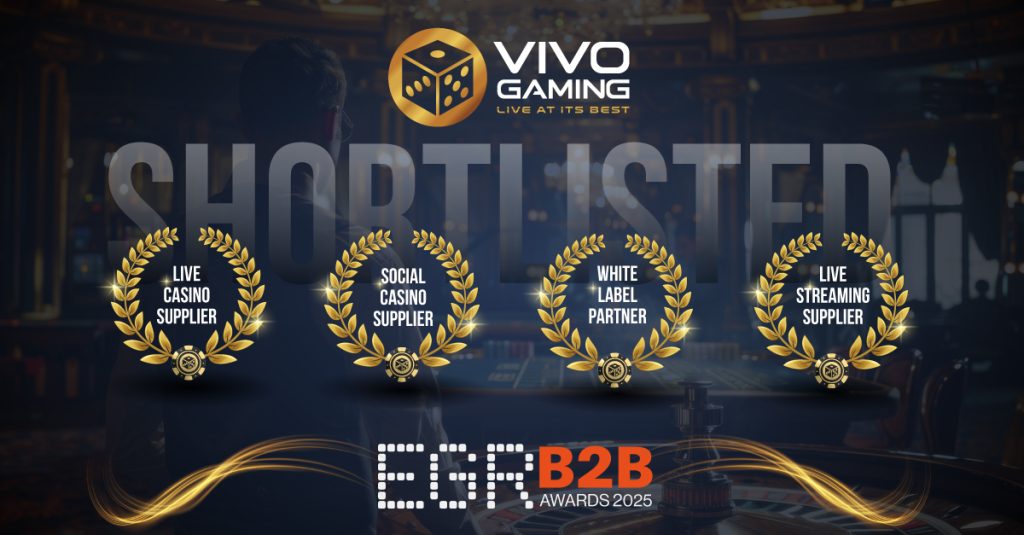
Vivo Gaming Shortlisted in Four Categories at EGR B2B Awards 2025

A landmark recognition across multiple award categories demonstrates VivoGaming’s position as a comprehensive B2B live casino technology partner

VivoGaming has been shortlisted in four categories at next week’s EGR Global B2B Awards 2025, marking a significant milestone for the live dealer software provider and validating its multi-faceted approach to serving iGaming operators worldwide.

The four shortlisted categories span the breadth of VivoGaming’s service offering: Live Casino Supplier, Social Casino Supplier, White Label Partner, and Live Streaming Supplier. This recognition across such diverse categories underscores the company’s evolution from a specialist live dealer provider to a comprehensive B2B technology partner.

“Being shortlisted across four distinct categories reflects what we’ve been building over the past several years,” said VivoGaming. “We’re not just providing games – we’re delivering complete solutions that help operators succeed, whether that’s through our core live casino content, our white-label capabilities, or our streaming infrastructure.”

The EGR B2B Awards represent one of the iGaming industry’s most prestigious recognitions, with winners determined by a panel of independent judges evaluating innovation, commercial success, and industry impact.

VivoGaming’s shortlisting comes at a particularly significant moment for the company, which has been expanding its global footprint with 12+ professional studios across three continents and native-speaking dealers in more than 25 languages. The company’s focus on regional customisation and flexible API integration has resonated strongly with mid-tier operators seeking alternatives to one-size-fits-all solutions.

The awards ceremony takes place next week, with results expected to generate significant attention ahead of ICE Barcelona 2026 in February.

Driving Engagement with Casino Tournament Tools

Most iGaming platforms offer great gameplay. That’s not the problem. The real challenge is getting players to return, stick around, and feel connected. One increasingly effective solution lies in casino tournament tools. These offer a practical way to deepen involvement and make gameplay feel like something bigger than a solo session.

This isn’t about flashy animations or giveaways. It’s about making the experience feel active, social, and rewarding over time.

Why Players Respond to Competition

People like goals. They like seeing progress. Give them a way to track performance against others, especially in a real-time setting, and something shifts. They start paying closer attention. They stay longer. They try harder.

That’s what tournament tools introduce. A standard blackjack table becomes a leaderboard battleground. A regular Friday night roulette session turns into a shot at the weekend’s top rank.

Even casual players enjoy seeing their name climb a list. That feedback loop, play, check ranking, try again, builds momentum.

How Tournament Tools Add Long-Term Value

At first glance, tournaments seem like short bursts of excitement. But done right, they serve a much larger purpose.

They offer structure. Something players can count on. Weekly leaderboards, seasonal contests, and milestone-based challenges give people a reason to return. That consistency is key for building habits.

They also bring in light social pressure. Not in a negative way, but in a way that says: “Other players are doing this, why not me?” This helps keep the platform feeling lively and well-populated, which has a subtle influence on how enjoyable it feels to play.

The Operator’s Advantage

From an operator’s point of view, casino tournament tools offer more control than many standard promotions. You set the rules. Choose the games. Define the prize pools. You can even change how winners are ranked, such as total wins, bet volume, biggest streak, and so on.

That means you can build tournaments that suit different kinds of players. Want to drive volume? Focus on betting metrics. Want to create a more even playing field? Reward win streaks regardless of stake size.

Tools like Vivo Gaming’s let you do just that. They’re designed to be flexible enough for tailored experiences, but consistent enough that they’re easy to deploy and scale.

Results You Can Measure

This isn’t just theory. Operators using tournament tools have seen sharp increases in player engagement and time spent on-site. In some cases, the total number of daily active players has increased by 65%, with the daily number of rounds played also growing by 82%.

That’s a major shift, and the best part is that these tools don’t require slashing margins or flooding players with constant offers. The value comes from the competition itself, from the sense of achievement, not the giveaway.

When players earn rewards based on performance, the payoff feels earned. That makes them more likely to return and more open to spending.

Using the Tools Strategically

The real impact of a tournament system doesn’t come from running one event. It comes from making them a regular part of the player experience. A good strategy often starts with a bold launch, maybe a high-stakes weekend, a new game feature, or a holiday push.

From there, success comes from pacing. Some operators find that midweek tournaments increase weekday traffic. Others use tournaments to spotlight underused games.

The point is: you can experiment. See what your audience responds to. Keep what works. Refine what doesn’t.

And always communicate clearly. Make sure the rules are obvious, the rewards make sense, and the whole process feels exciting without being confusing.

Why It Builds Loyalty

Many tools drive traffic. Not all of them build connection. That’s where casino tournament tools stand apart. They give players a reason to care, not just about the outcome, but about the journey. About how they’re doing compared to others. About whether their favorite game might help them move up the board.

Over time, that creates familiarity. Players start recognizing names on the leaderboard. Some may quietly root for each other. Others chase friendly rivalries. These small social signals help transform a platform from just another gaming site into one they feel a part of.

Final Takeaway

For iGaming operators looking to keep players engaged without over-relying on discounts or daily promotions, tournament tools offer a compelling path forward. They encourage play through interaction, give structure to gameplay, and create a sense of progress that doesn’t depend on luck alone.

Most importantly, they work. They deepen involvement. They boost return rates. And when done thoughtfully, they help turn short visits into long-term loyalty.

Whether you’re running a niche platform or scaling to new regions, casino tournament tools can be the difference between passive players and active communities.